


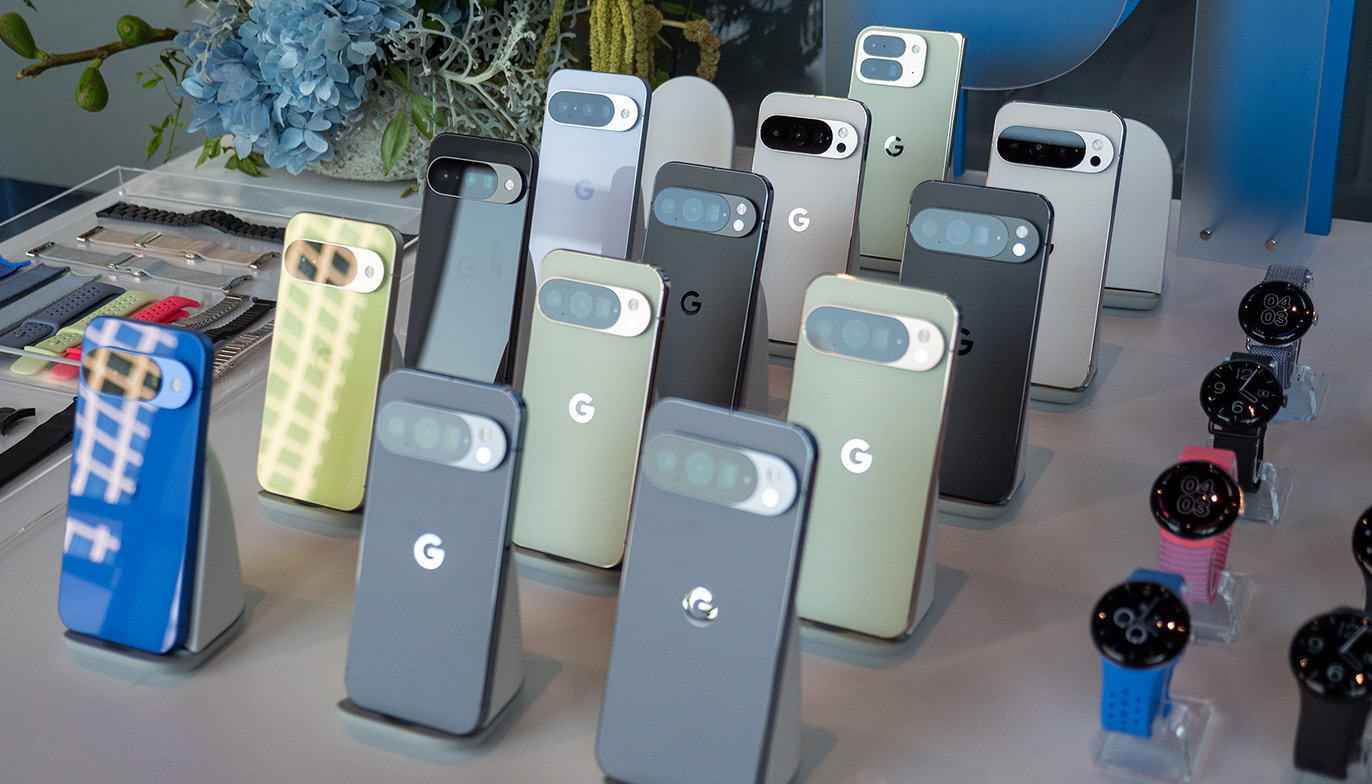
The mobile tech industry in 2024 didn’t just evolve it quietly redefined expectations. From ultra-powerful flagship smartphones to surprisingly capable mid-range devices, the year delivered a mix of refinement and experimentation. Foldables became more accessible, AI features expanded across ecosystems, and even budget devices started offering features once reserved for premium tiers.
But beneath the noise of launches and marketing buzz, a more important question emerges: what truly stood out in 2024 and what actually matters for users heading into 2025?
This deep dive breaks down the most important developments across smartphones, tablets, wearables, and mobile ecosystems, helping you understand where the industry is headed and what’s worth your attention.
The Flagship Smartphone Landscape: Incremental, Yet Powerful
Samsung’s Early Momentum
The year kicked off strongly with Samsung’s Galaxy S24 lineup, setting the tone for flagship devices in 2024. The Ultra variant stood out as a powerhouse, combining top-tier performance, strong battery life, and a refined camera system.
Interestingly, the base model often overlooked emerged as a sleeper hit. Its compact design, comfortable grip, and reliable performance made it appealing for users tired of oversized phones. While it lacked the endurance of its Ultra sibling, it delivered a balanced experience that many found more practical.
Foldables Continue Their Slow Rise
Foldable phones matured further in 2024, though not dramatically. Devices like Samsung’s Fold series refined durability and usability, but innovation felt incremental rather than groundbreaking.
However, competition intensified. New foldable entries from other manufacturers demonstrated impressive hardware engineering, especially in hinge design and display quality. The biggest limitation remains software optimization particularly in devices running region-specific firmware.
Still, one thing is clear: foldables are no longer experimental they’re just not mainstream yet.
Mid-Range Phones: The Real Winners of 2024
While flagship devices grabbed headlines, the mid-range segment quietly became the most exciting space.
Premium Features at Lower Prices
Devices in the $200–$500 range (roughly GHS 2,500–6,500) saw major upgrades:
- Wireless charging appearing in more affordable models
- High refresh rate displays becoming standard
- Improved camera systems with better computational photography
- Faster charging speeds (45W–65W now common)
Even more impressive was the introduction of durability certifications including water resistance (IP ratings) and military-grade testing across mid-tier devices.
Battery Innovation Takes Center Stage
Battery technology made a noticeable leap. Several manufacturers introduced 6,000mAh batteries in mainstream devices, powered by newer materials like silicon-carbon cells.
The result?
- Longer screen-on time
- Faster charging cycles
- Less battery anxiety overall
For everyday users, this arguably mattered more than marginal CPU improvements.
Design Trends: Slimmer, Tougher, and More Practical
Smartphone design in 2024 leaned toward practicality over flashiness.
What Changed
- Thinner profiles without sacrificing battery capacity
- Stronger builds with better drop and water resistance
- Cleaner aesthetics, often resembling premium flagships
Interestingly, some designs sparked debate. Ultra-premium models, while powerful, leaned into bold, boxy aesthetics that may not appeal to everyone. Meanwhile, smaller devices gained appreciation for their usability.
AI in Smartphones: Overhyped or Just Getting Started?
Artificial intelligence became a major talking point but the reality was more nuanced.
What AI Actually Did in 2024
Across Android and iOS ecosystems, AI features focused on:
- Photo editing (object removal, generative fill)
- Real-time translation and transcription
- Text summarization
- Smart assistants integrated into apps
The catch?
Most of these features felt similar across brands. That’s because many rely on shared underlying technologies, particularly from Google.
The Real Future of AI
The next phase of mobile AI won’t be about gimmicks it will be about deep ecosystem integration.
Expect features like:
- Context-aware scheduling (calendar + traffic + habits)
- Smarter email and document summarization
- Personalized automation across apps
In short, AI will matter more when it understands you not just your photos.
Tablets in 2024: A Niche That Still Matters
The tablet market remained relatively quiet, but not irrelevant.
High-End Dominance
Premium tablets, especially those powered by desktop-class chips, delivered exceptional performance. They’re ideal for:
- Creative professionals
- Students
- Productivity-focused users
However, their high price points limit widespread adoption.
Budget Tablets: Mixed Results
More affordable tablets entered the market, offering:
- Solid battery life
- Decent build quality
- Basic performance for media and light tasks
But compromises were clear particularly in display quality and RAM limitations. These devices are functional, but not transformative.
Wearables and Accessories: Explosive Growth
If one category truly surged in 2024, it was wearables.
Smartwatches and Earbuds Everywhere
Brands expanded aggressively into accessories, releasing:
- Multiple smartwatch models across price tiers
- Affordable earbuds with surprisingly good audio quality
- Fitness-focused devices targeting everyday users
One standout trend: Active Noise Cancellation (ANC) in budget earbuds. What used to be a premium feature is now accessible at a fraction of the cost—and often performs better than expected.
Ecosystem Strategy in Action
Accessories are no longer optional they’re strategic.
Companies are building ecosystems, not just products:
- Phones connect seamlessly with earbuds
- Watches integrate with health and fitness apps
- Accessories reinforce brand loyalty
This shift is subtle but powerful.
Retail and Buying Trends: A Shift in Strategy
Online Marketplaces Step Up
2024 saw a resurgence of online retail platforms offering:
- Competitive pricing on flagship devices
- Wider product availability (including niche brands)
- Aggressive seasonal discounts
During major sales events, some platforms even undercut traditional retailers making them the best place to buy premium devices.
The Rise of eSIM Adoption
Another notable shift: growing interest in eSIM technology.
As more devices support eSIM:
- Users can switch networks more easily
- Travelers benefit from instant connectivity
- Physical SIM cards become less essential
Adoption is still uneven, but momentum is building.
Pricing Trends: The New Sweet Spot
One of the most important changes in 2024 was pricing strategy.
The 40K–60K Range Becomes Key
Manufacturers increasingly focused on the mid-premium segment, delivering:
- Flagship-like features
- Better build quality
- Improved longevity
At the same time, some flagship devices faced criticism for being overpriced relative to their incremental upgrades.
Smarter Buying Decisions
Consumers are becoming more strategic:
- Buying previous-year flagships at reduced prices
- Prioritizing value over brand prestige
- Timing purchases around major sales events
This shift is reshaping how devices are marketed and sold.
Enhanced Insights: What Actually Mattered in 2024
Looking beyond individual products, a few clear themes define the year:
- Value over hype: Mid-range devices delivered the biggest impact
- Battery and durability improvements mattered more than raw performance
- AI is promising but not yet essential
- Ecosystems are the new battleground
- Consumers are more informed and price-conscious than ever
In many ways, 2024 was less about breakthroughs and more about refinement and accessibility.
The mobile tech space didn’t reinvent itself in 2024 but it didn’t need to. Instead, it became more practical, more competitive, and more user-focused. As we move into 2025, the challenge for manufacturers isn’t just innovation it’s delivering meaningful improvements that users can actually feel.

